


 0
0


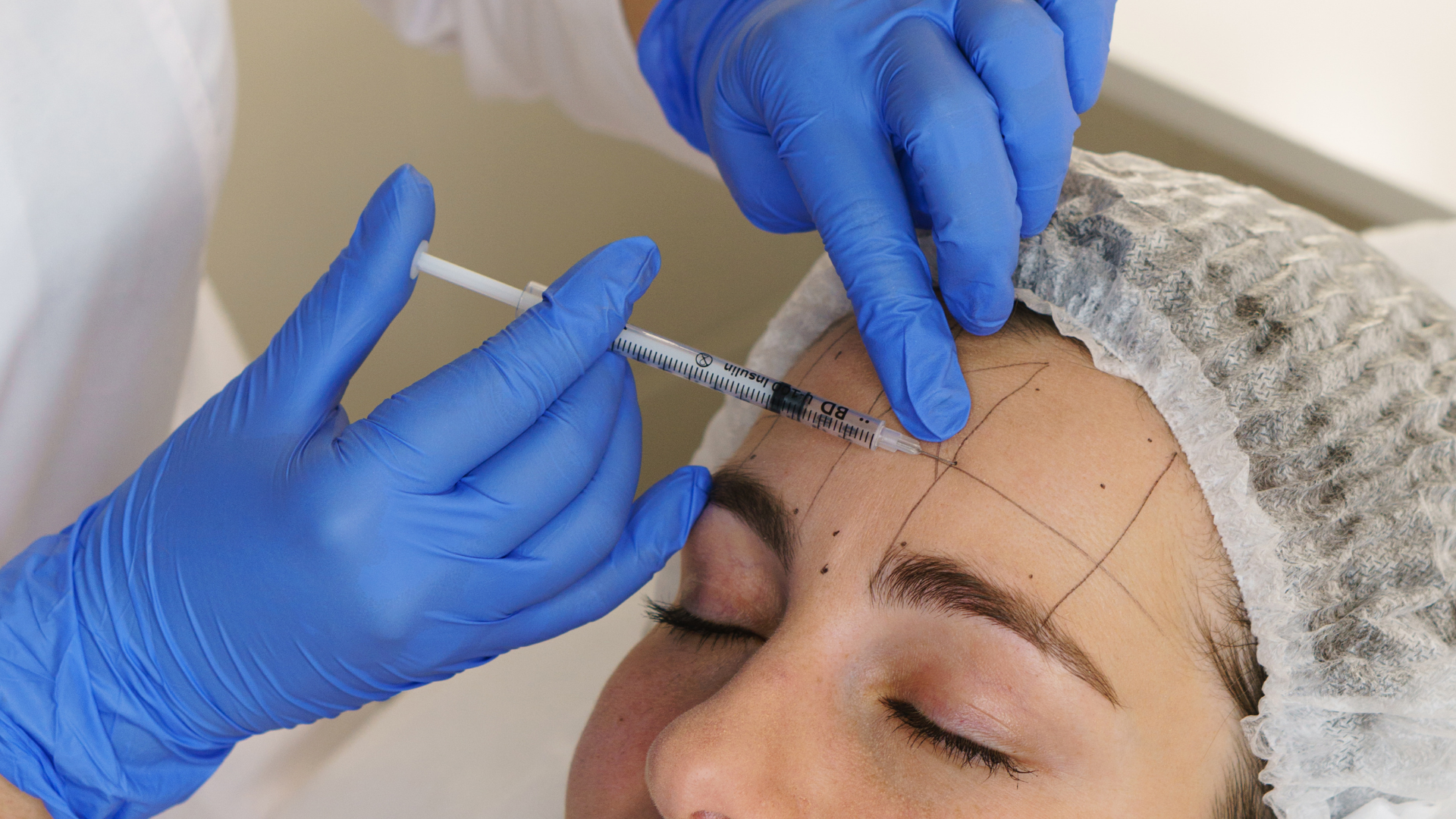
How Long Do Anti-Wrinkle Injection Results Really Last?
One of the most common questions patients ask before starting wrinkle treatments is also one of the most misunderstood: How long will the results last?
The short answer is: it depends.
The more useful answer is: it depends on how your face moves, how the treatment is done, and how your body responds.
This guide breaks down what truly affects the longevity of anti-wrinkle injections, what timelines are realistic, and why results aren’t meant to be permanent.
What Anti-Wrinkle Injections Actually Do
Anti-wrinkle injections work by relaxing targeted facial muscles that cause repetitive creasing of the skin. These are known as dynamic wrinkles — lines that appear when you frown, squint, or raise your eyebrows.
By softening muscle movement:
- The skin is given a chance to smooth out
- Existing expression lines appear less etched
- New wrinkles are slower to form
The treatment does not fill lines or add volume, and it does not change skin texture or elasticity directly.
The Average Duration: What Most People Can Expect
For most patients, results last 3 to 4 months.
This timeline refers to:
- When muscle movement gradually returns
- When lines begin to reappear with expression
- Not when the face suddenly “drops” or worsens
Results fade gradually, not all at once.
Some patients may notice effects lasting closer to:
- 2.5–3 months, especially early on
- 4–5 months after repeated treatments
Longer-lasting results are not necessarily “better” — they simply reflect individual muscle behaviour and metabolism.
Factors That Affect How Long Results Last
1. Muscle Strength and Usage
Stronger, more expressive muscles (for example, deep frowners or very animated foreheads) tend to metabolise treatment faster.
People who:
- Frown deeply
- Squint frequently
- Have strong habitual expressions
may see results wear off sooner than someone with subtler movement.
2. Area Treated
Different facial regions respond differently.
- Frown lines (between the brows) often last the longest
- Crow’s feet may wear off slightly faster due to frequent eye movement
- Forehead lines vary depending on eyebrow use and anatomy
This is why timelines can differ even within the same face.
3. Dosage and Technique
Longevity is influenced less by “how many units” and more by:
- Precision of placement
- Depth of injection
- Balance between muscles
Over-treating doesn’t guarantee longer results — it often leads to stiffness rather than durability.
Well-planned, conservative dosing usually produces:
- More natural movement
- Better repeat outcomes
- Safer long-term results
4. Metabolism and Lifestyle
Some people naturally metabolise treatments faster.
Factors that may shorten duration include:
- High physical activity levels
- Very fast metabolism
- Certain medications
- High muscle mass in the face
This doesn’t mean treatment “failed” — it simply means maintenance schedules may differ.
Does Repeated Treatment Make Results Last Longer?
Often, yes—but not always in the way people expect.
With regular, well-spaced treatments:
- Muscles may weaken slightly over time
- Habitual over-movement can reduce
- Lines may soften even between sessions
This doesn’t mean treatments become permanent. It means less effort is required to maintain results.
What Happens If Treatment Is Stopped?
Stopping anti-wrinkle injections does not:
- Worsen wrinkles
- Stretch the skin
- Accelerate ageing
The face simply returns to its natural movement pattern.
Many patients find that:
- Lines return more slowly than expected
- Wrinkles are less etched than before starting
- Their awareness of facial movement has changed
How Often Should Treatments Be Done?
Most clinics recommend spacing treatments every 3-4 months, depending on:
- Area treated
- Individual muscle behaviour
- Desired level of movement
Treating too frequently is unnecessary and not advised. Allowing full muscle recovery before re-treatment supports safer, more predictable outcomes.
The Takeaway
Anti-wrinkle injections are not meant to last forever—and that’s a good thing.
Their purpose is to:
- Soften expression lines
- Preserve natural movement
- Support the face as it ages, not freeze it in time
The best results are those that fade gently, look effortless, and fit seamlessly into real life.