


 0
0


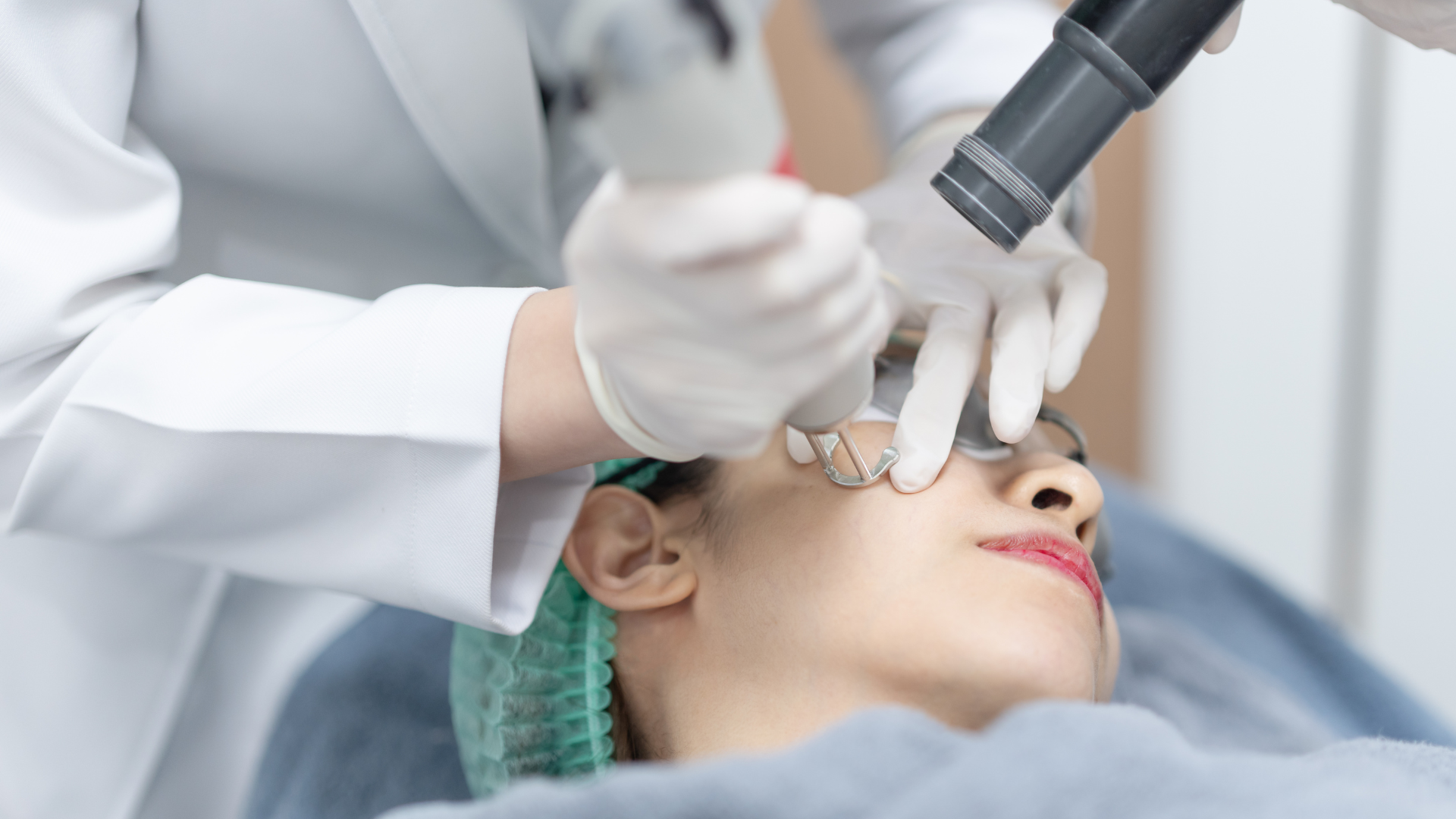
Pico Laser for Pigmentation: How It Works
Pigmentation is one of the most common skin concerns we see in clinic, and pico laser is one of the most frequently asked-about treatments for it. But “pigmentation” is not one single problem; it covers everything from sun spots and acne marks to melasma, and these respond very differently to treatment.
This article breaks down what pico laser actually does, which types of pigmentation respond well, and who would benefit most from a pico laser session.
What Is Pico Laser, and How Does It Work on Pigmentation?
Pico laser delivers energy in ultra-short pulses, measured in picoseconds, which is a trillionth of a second. This is significantly faster than older Q-switched lasers, which deliver energy in nanosecond pulses.
This matters because of how the laser interacts with pigment in the skin:
• The laser targets melanin (the pigment in skin) using a principle called selective photothermolysis
• Because the pulse is so short, the energy is delivered in a way that favours a photoacoustic effect (a mechanical shattering of pigment) over a photothermal effect (heat-based damage)
• Shattering pigment into smaller fragments allows the body’s immune cells to clear it away more efficiently
• The shorter pulse duration also means less heat spreads to surrounding tissue, which is associated with a lower risk of post-inflammatory hyperpigmentation (PIH) compared to some older laser technologies, particularly relevant for darker skin types
In simpler terms: pico laser breaks pigment into smaller pieces with less collateral heat damage, which the body then naturally clears over the following weeks.
What Pico Laser Works Well For
Pico laser tends to perform well on pigmentation that sits in a single, well-defined layer of skin and is not driven by an ongoing internal trigger. This includes:
• Sun spots (solar lentigines): Flat, brown spots caused by cumulative UV exposure over time. These typically respond well because the pigment is stable and sits at a consistent depth.
• Post-inflammatory hyperpigmentation (PIH): Dark marks left behind after acne, eczema flares, or skin injury. Response varies depending on how deep the pigment sits and how long it has been present.
• Freckles: Genetically influenced, UV-responsive pigment that generally responds predictably to pico laser.
• Some forms of superficial, well-circumscribed pigmentation: Pigment that is contained, hasn’t spread diffusely, and isn’t being continuously re-triggered by an underlying process.
For these concerns, patients can generally expect a noticeable reduction in pigment over a course of sessions, with results that tend to be reasonably stable, especially when paired with consistent sun protection afterwards.
Who Is a Good Candidate for Pico Laser?
Good candidates for pico laser pigmentation treatment generally include those with:
• Sun spots, freckles, or PIH that has been present for a reasonable amount of time (very recent PIH may fade on its own)
• Realistic expectations about gradual, cumulative improvement rather than instant results
• No active skin infections, open wounds, or certain photosensitising medications in use
• The discipline to maintain consistent sun protection after treatment, since UV exposure is a major driver of pigment recurrence regardless of pigment type
Patients with melasma can still be candidates, but the conversation and treatment plan will look different from someone with simple sun spots, and this is best determined during an in-person assessment rather than assumed from a general guide like this one.
What Determines How Many Sessions You’ll Need?
The number of sessions varies depending on:
• The type of pigmentation being treated (sun spots typically need fewer sessions than melasma)
• How long the pigmentation has been present
• Skin type and how the skin responds to initial sessions
• Whether ongoing triggers (UV exposure, hormonal factors) are being managed in parallel
This is also why an in-person consultation matters more than a generic number. The right approach, including how aggressively to treat and how many sessions to plan for, is something that should be personalised based on an actual assessment of your skin and pigmentation type.
The Takeaway
Pico laser is a genuinely useful tool for many forms of pigmentation, particularly sun spots, freckles, and certain types of PIH, where results tend to be predictable and reasonably durable. Melasma is a different story: it can improve with treatment, but it is a chronic condition that requires ongoing management rather than a single fix, and treating it requires a more cautious, individualised approach.
If you’re unsure which category your pigmentation falls into, that’s exactly what a proper skin assessment is for. Understanding what’s actually driving your pigmentation is the first step to treating it appropriately, rather than applying the same approach to very different problems.