


 0


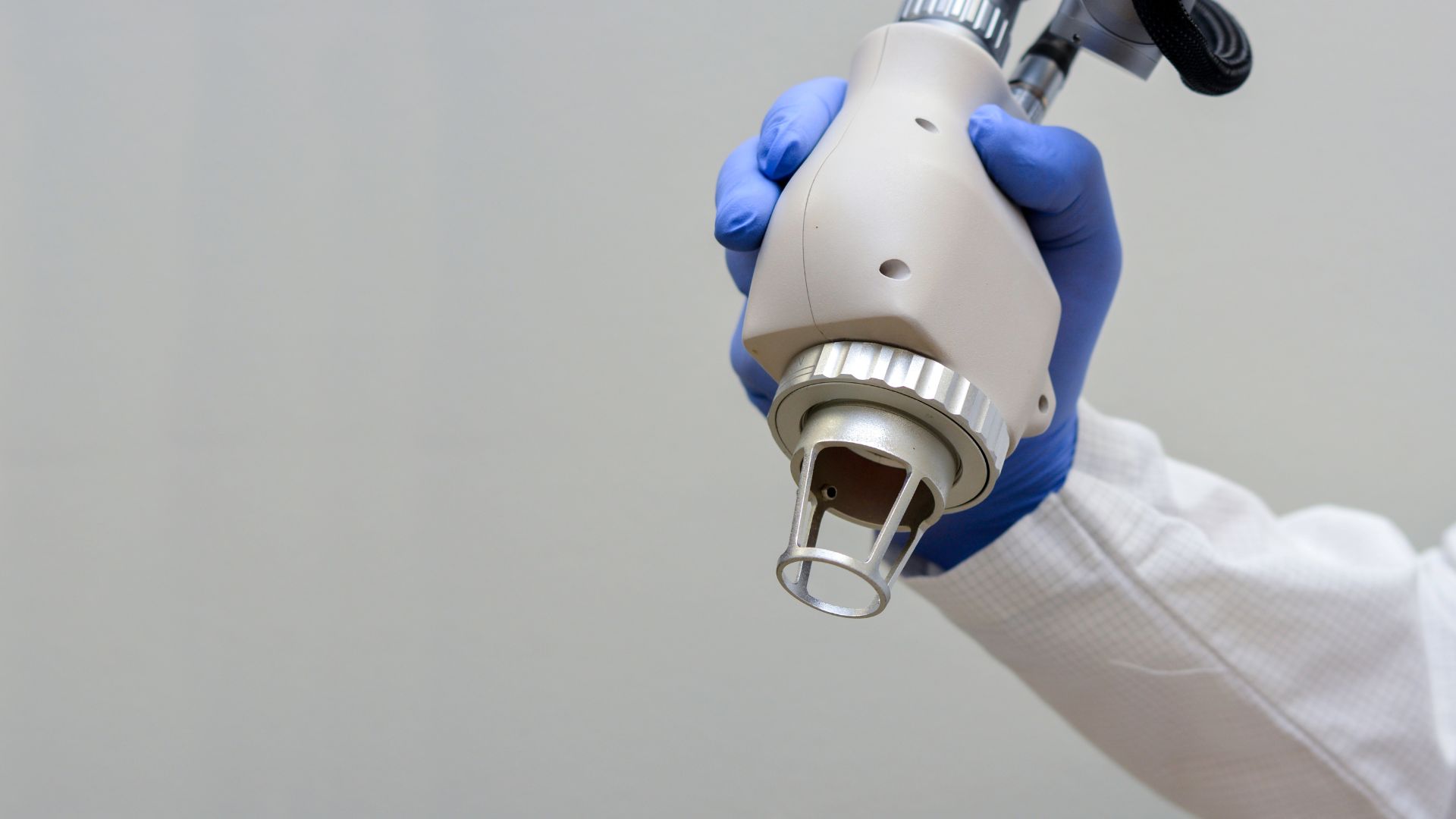
CO2 Laser Myths: 5 Common Misconceptions About Fractional CO2 Laser Explained
Fractional CO2 laser is one of the most commonly discussed treatments for acne scars and uneven skin texture, but it is also one of the most misunderstood. Many patients come in either worried that it will be too aggressive for their skin, or expecting dramatic results after a single session.
Both expectations can lead to disappointment—or to avoiding a treatment that could help you get clearer, smoother skin.
This guide breaks down five common CO2 laser myths, and what the treatment actually does in the skin.
What Fractional CO2 Laser Actually Does
CO2 laser is an ablative laser. It works by creating tiny columns of controlled injury in the skin.
This triggers the skin to:
• Shed and renew its surface
• Produce new collagen in the deeper layers
• Gradually remodel scar tissue
“Fractional” means only a fraction of the skin is treated at a time. The untreated skin between each column helps the skin heal faster.
1. Myth: CO2 Laser Is Only for Severe Acne Scars
CO2 laser is commonly used for acne scars, but the depth and intensity of treatment can be adjusted.
This means it can also be used for:
• Uneven skin texture
• Enlarged-looking pores
• Fine lines and crepey skin
• Dull, congested skin (at gentler settings)
A deeper scar treatment and a light resurfacing treatment can use the same laser—with very different settings and very different downtime.
2. Myth: The Stronger the Treatment, the Better the Results
More aggressive treatment does not automatically lead to better outcomes.
Higher energy and deeper treatment usually mean:
• Longer downtime
• More inflammation
• A higher risk of post-inflammatory hyperpigmentation, especially in Asian skin
Well-planned, moderate settings often produce safer and more predictable results. With CO2 lasers, precision matters more than strength.
3. Myth: One Session Is Enough
Some improvement may be visible once the skin has healed. But most of the change comes from collagen remodelling, which typically continues over three to six months.
For moderate to deep acne scars, many patients need:
• More than one session
• Several weeks between sessions
• Realistic expectations of improvement, not complete removal
4. Myth: CO2 Laser Thins the Skin
Fractional CO2 laser does not treat the entire skin surface at once. Healthy skin is left between each treated zone to support healing.
The heat delivered into the deeper layers is intended to stimulate new collagen—which supports skin structure rather than weakening it.
Thinning is not an expected outcome when treatment is appropriately planned and sessions are spaced to allow full recovery.
5. Myth: CO2 Laser Is Not Suitable for Asian Skin
Asian skin types are more prone to post-inflammatory hyperpigmentation (PIH)—temporary darkening of the skin after treatment. This is a reason for careful planning, not automatic avoidance.
Careful planning includes:
• Settings suited to the skin type
• Treating only when the skin is calm and not recently tanned
• Strict sun protection after treatment
• Adequate time between sessions
With these factors considered, CO2 laser can be suitable for many patients with Asian skin.
CO2 laser is not a one-size-fits-all treatment. Whether it is suitable—and at what settings—depends on:
• Scar type and depth
• Skin type and pigmentation risk
• How much downtime is practical
The aim is not to do the strongest treatment possible. It is to do the right treatment for the skin being treated.