


 0


RF Microneedling Downtime and Aftercare: What to Expect and Mistakes to Avoid
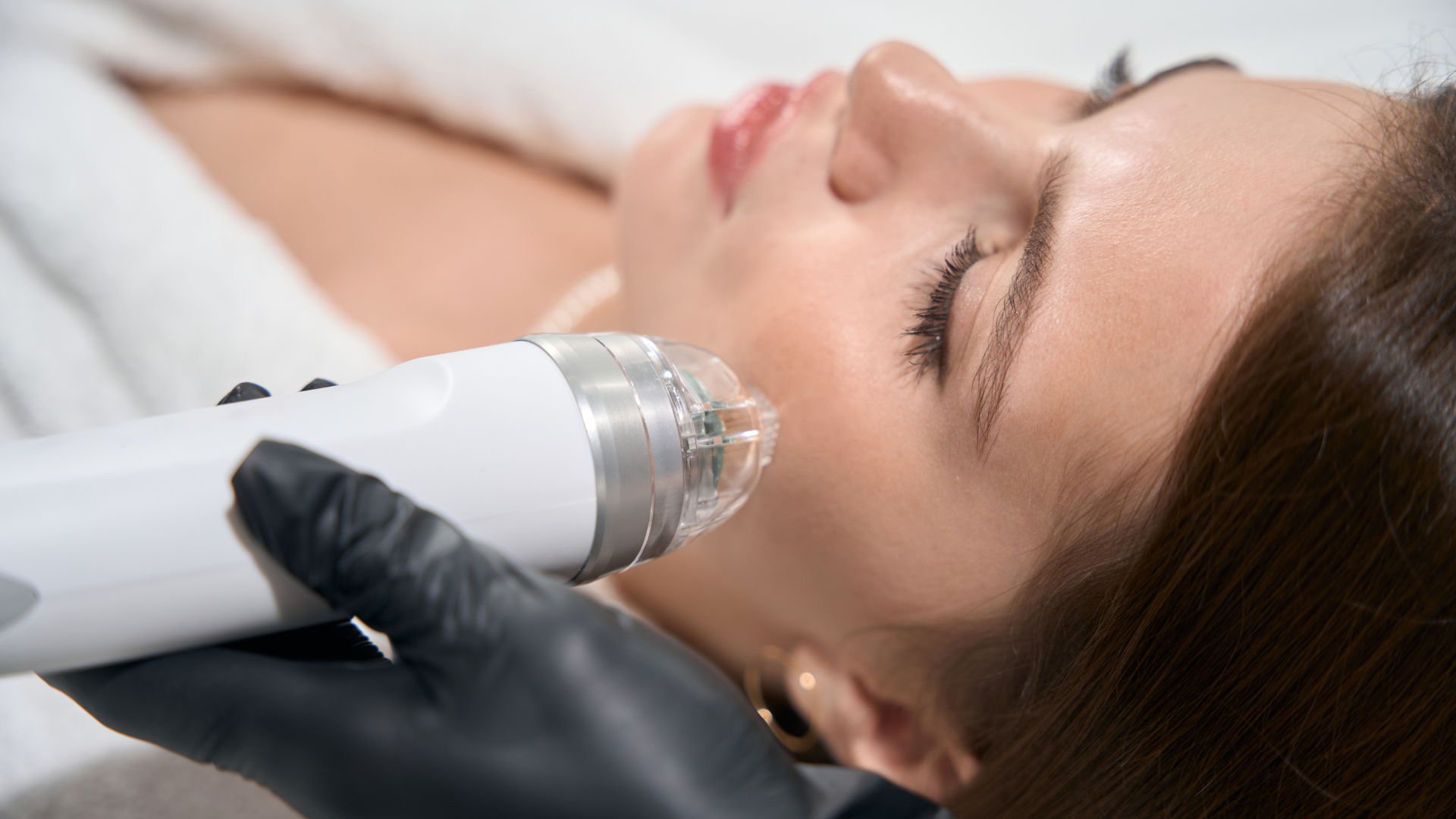
RF microneedling is a popular treatment for acne scars, enlarged pores, uneven texture and early skin laxity. It works by creating tiny, controlled channels in the skin while delivering radiofrequency heat into the deeper layers. This triggers your skin’s natural healing response, which produces new collagen and elastin over the following months.
Because results depend on how well your skin heals, what you do after treatment matters just as much as the treatment itself.
What recovery looks like
Downtime is generally shorter than with more aggressive resurfacing lasers, as most of the skin surface is left intact. Here is what most patients can expect:
• Day 0 to 1: Redness similar to a mild sunburn, warmth, tightness and some swelling. Tiny pinpoint marks are normal.
• Day 2 to 3: Redness fades to light pink and swelling settles. Most people feel comfortable returning to work.
• Day 3 to 7: Skin may feel dry or slightly rough, with light flaking as it renews.
• Week 2 onwards: Skin looks normal on the surface, while collagen continues to rebuild underneath for months.
How much downtime you experience depends on the treatment depth and settings, the area treated and your skin type.
Aftercare essentials
• Cleanse gently with lukewarm water and a mild cleanser, and avoid touching your face.
• Keep your routine simple. Use only the moisturiser or barrier cream your doctor recommends.
• Skip makeup for the first day, or until your doctor advises otherwise.
• Avoid heat and heavy sweating for a few days, including saunas, hot yoga and intense workouts.
• Pause active skincare such as retinoids, exfoliating acids and vitamin C until your doctor clears you.
• Wear sunscreen every day. This is the most important step of all.
Why sun protection matters in Singapore
Freshly treated skin is more prone to post-inflammatory hyperpigmentation (PIH), the dark patches that can appear after any skin injury. Asian skin is naturally more susceptible to it. Studies in Asian patients have found the risk of PIH after RF microneedling to be generally low and usually temporary, but unprotected sun exposure can make it more likely.
Use a broad-spectrum SPF 30 or higher daily, reapply when outdoors, and add a hat or umbrella where you can. Keep this up well beyond the first week.
Common mistakes to avoid
1. Restarting actives too soon. Skin can look healed before its barrier has fully recovered, and strong products can cause irritation or pigmentation.
2. Being casual with sunscreen. Short, unplanned sun exposure adds up quickly in our climate.
3. Picking or scrubbing flaky skin. Let it shed naturally to avoid marks and infection.
4. Using untested products. Fragranced products and DIY remedies can irritate freshly treated skin.
5. Judging results too early. New collagen takes months to form. Most patients see the biggest improvement around three to six months after their final session.
6. Stopping after one session. Most concerns, especially acne scars, need a course of treatments spaced several weeks apart for the best results.
When to contact your clinic
Get in touch if redness or swelling gets worse instead of better, if you notice pus, increasing pain or small blisters (particularly around the lips), or if new dark patches appear in the weeks after treatment.
RF microneedling is a well-studied, low-downtime treatment, but good aftercare is what protects your results. At Singapore Aesthetic Centre, every treatment starts with a proper skin assessment so your settings, sessions and aftercare plan suit you. Book a consultation with our doctor to find out if RF microneedling is right for your skin.