


 0


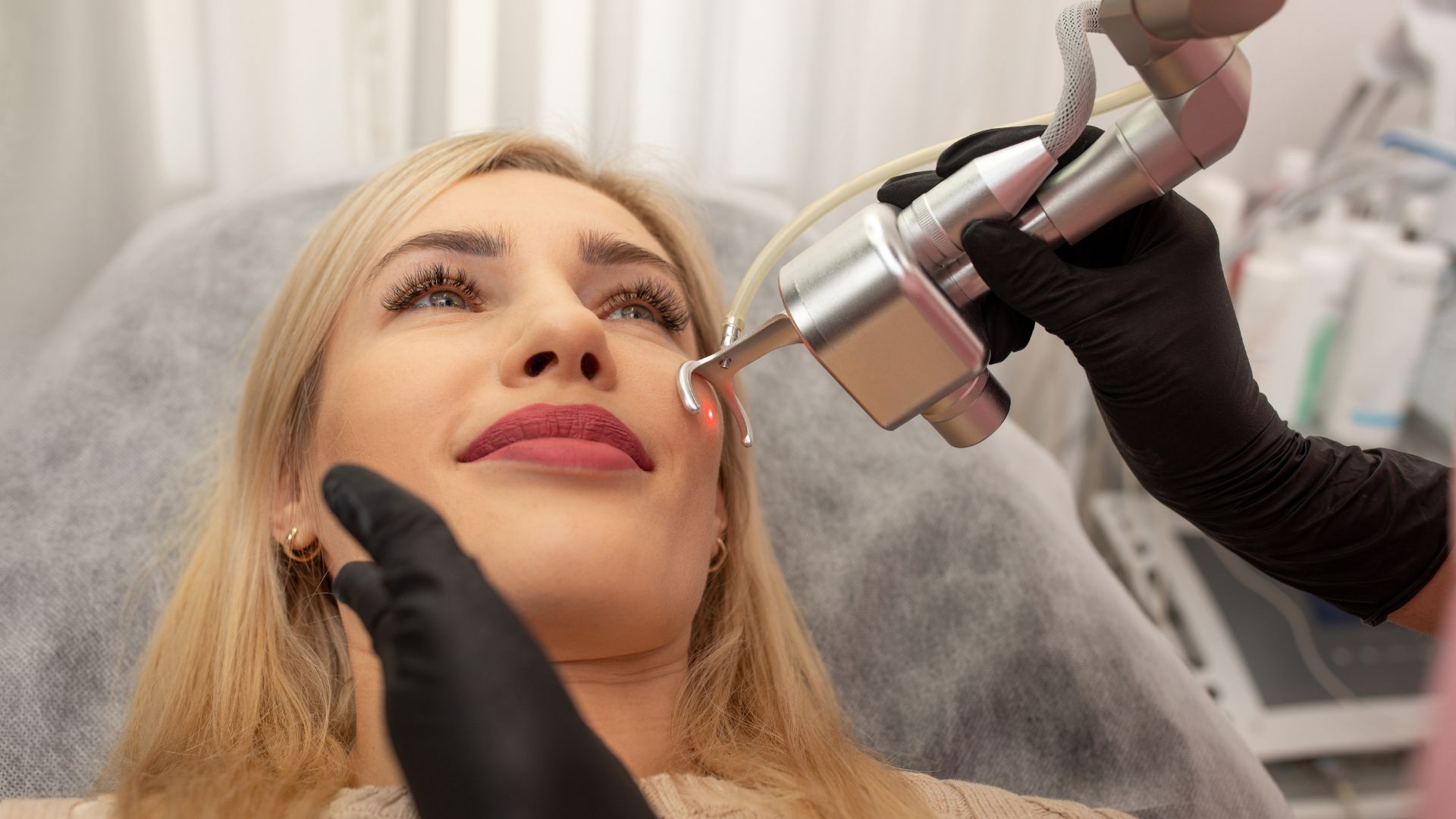
Gentle CO2 Laser for Oily Skin: How Light Resurfacing Can Help Dullness and Congestion
CO2 laser is often associated with acne scar treatment and longer downtime. But at lighter settings, it can also be used for a very different concern: oily, dull and congested skin. This is especially relevant in Singapore, where heat and humidity can make oily skin harder to manage.
This guide explains how gentle CO2 resurfacing works, how it may help oily skin, and who it is suitable for.
What Gentle CO2 Resurfacing Actually Does
Gentle CO2 resurfacing (sometimes called a CO2 micropeel) uses much lighter settings than a full scar treatment.
It works by:
• Removing a very thin layer of surface skin cells
• Delivering mild heat to the skin
• Encouraging gentle surface renewal
It does not create the deeper injury used for acne scar remodelling, which is why recovery is shorter.
Why Oily Skin Often Looks Dull
Excess oil tends to mix with dead skin cells that haven’t shed properly.
Over time, this can lead to:
• Clogged pores and recurring congestion
• Enlarged-looking pores
• Rough, uneven texture
• A shiny but dull complexion
Many people try to manage this by over-cleansing or over-exfoliating. This can irritate the skin barrier and, in some cases, make oiliness worse.
How Gentle CO2 Resurfacing Can Help
1. A Smoother, Brighter Surface
Removing surface build-up leaves the skin smoother and more even. A smoother surface reflects light better, so the skin tends to look less dull.
2. Less Oiliness
The mild heat from treatment may help reduce oil production for a period of time. Many patients notice their skin feels less greasy after a course of treatment.
How much this helps—and for how long—varies between individuals.
3. Less Visible Pores
When pores are less congested and the surrounding surface is smoother, they often appear less prominent. Light collagen stimulation may also help support the skin around the pores over time.
What to Expect
Recovery is usually much shorter than with deeper CO2 laser treatments. Patients may experience:
• Redness and warmth for a day or two
• A rough, sandpaper-like texture for a few days
• Light flaking as the surface renews
Results are usually subtle after one session and build over a series of treatments. Because oily skin is an ongoing tendency, maintenance sessions are often part of the plan.
Who Is Suitable
Gentle CO2 resurfacing may suit patients who:
• Have oily or easily congested skin
• Notice dullness and uneven texture
• Prefer treatments with shorter downtime
It may not be the right first step for patients with:
• Active, inflamed acne, which usually needs to be controlled first
• Deep acne scars, which typically need a different level of treatment
• A damaged or highly reactive skin barrier
• Recently tanned skin
A Balanced Approach to Oily Skin
Oily skin can be influenced by hormones, genetics, climate and skincare habits. Gentle CO2 resurfacing can be a helpful part of a treatment plan, but it works best when these underlying factors are also addressed.
The goal is not to strip oil away completely. It is to help the skin function better, so it becomes easier to maintain over time.