


 0
0


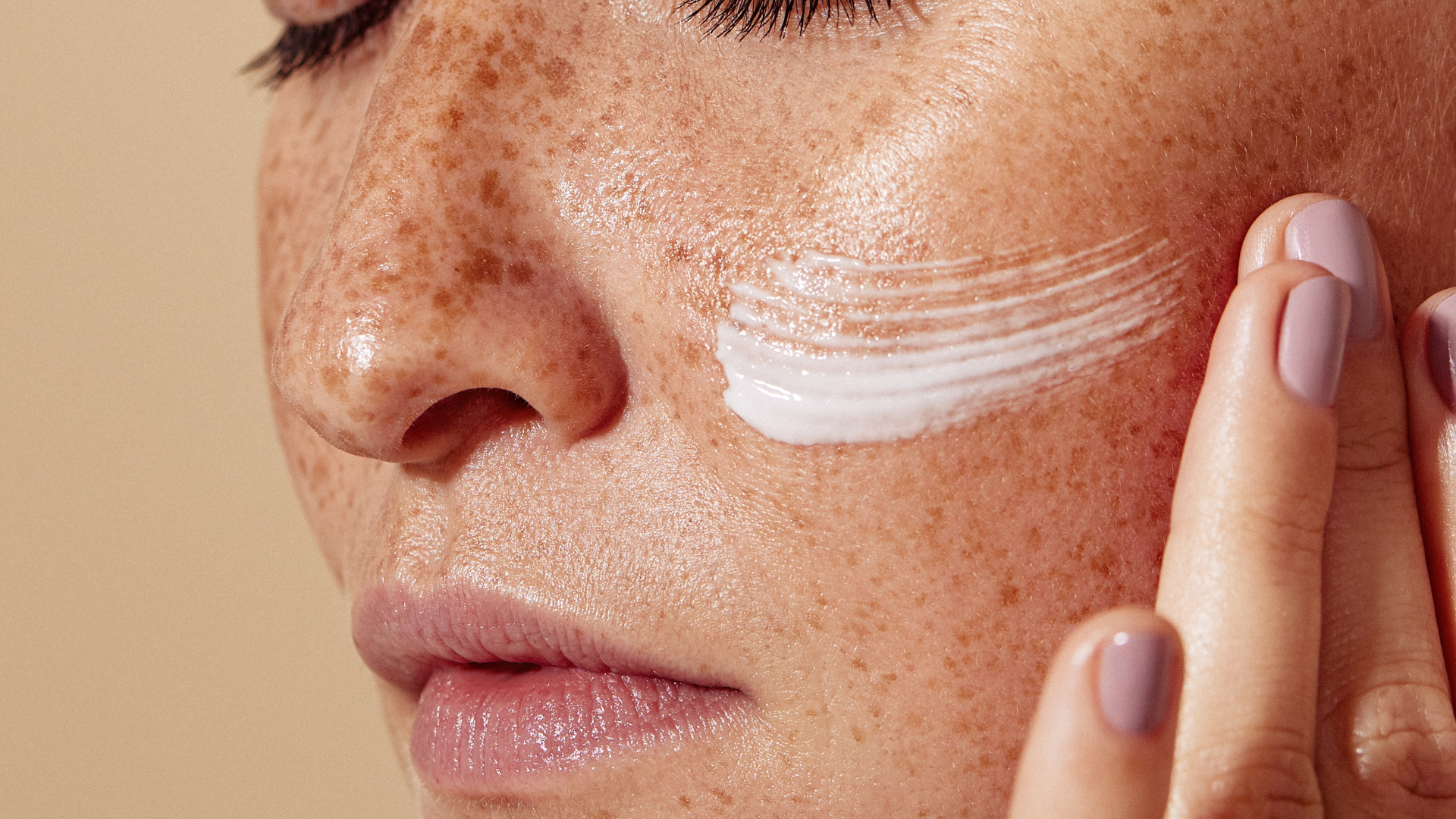
What to Expect Before, During, and After a Pico Laser Facial
If you’re considering a pico laser facial but aren’t sure what the actual experience involves, you’re not alone. A lot of the hesitation around laser treatments comes from not knowing what to expect, rather than the treatment itself. This is a realistic walkthrough of the process, from your first consultation to your skin’s final results.
Before Your Treatment
The consultation
Before any laser is used on your skin, a proper assessment is essential. This typically includes:
• A discussion of your skin concerns, history, and goals
• An assessment of your skin type and current pigmentation, texture, or scarring
• A review of your medical history, including any photosensitising medications, recent sun exposure, or skin conditions that may affect suitability
• Setting realistic expectations for how many sessions you may need and what kind of results are achievable for your specific concern
This step matters because pico laser settings and approach can vary considerably depending on what’s being treated and how your skin responds, and an experienced practitioner will calibrate this to you rather than applying a one-size-fits-all setting.
Preparing your skin
In the lead-up to treatment, you’ll generally be advised to:
• Avoid excessive sun exposure and tanning in the days before your session
• Stop using certain active skincare ingredients (such as retinoids or exfoliating acids) for a short period beforehand, if advised by your practitioner
• Come in with clean skin, free of makeup, on the day of treatment
During Your Treatment
Numbing
Topical numbing cream is typically applied beforehand and left on for a period of time to minimise discomfort during the procedure.
The treatment itself
A pico laser session for the face generally takes a relatively short amount of time, often well under an hour, depending on the area being treated and the specific concern. During the treatment:
• You’ll feel a series of quick, snapping sensations as the laser passes over your skin. Most patients describe this as similar to light rubber band flicks rather than significant pain.
• Some redness and a warm sensation are common during and immediately after the session.
• A cooling device or cold compress may be used during or after the treatment to ease any discomfort.
Sensation can vary depending on the area being treated and individual pain tolerance, and your practitioner can adjust settings if needed.
After Your Treatment
Immediately afterwards
It’s common to experience some redness, mild swelling, or a warm, sunburn-like sensation immediately after treatment. Depending on the specific concern being treated and the laser settings used, you may also notice:
• Pinpoint bleeding or tiny dot-like marks, particularly if a more intensive setting was used for concerns like acne scarring
• A feeling of slight tightness or sensitivity in the treated area
• In some cases, treated pigmentation may temporarily appear darker before it fades, as the pigment rises to the skin’s surface before being shed
Downtime
One of the appeals of pico laser is that downtime is typically minimal compared to more invasive procedures. Most patients can return to normal daily activities the same day, though visible redness may take anywhere from a few hours to a couple of days to fully settle, depending on individual skin response and the intensity of treatment.
Aftercare
Proper aftercare matters for both comfort and results. General guidance usually includes:
• Diligent use of broad-spectrum sunscreen, as treated skin is more sensitive to UV exposure
• Avoiding direct sun exposure and heat (saunas, hot showers, strenuous exercise) for a short period after treatment
• Keeping skin gently moisturised and avoiding harsh actives until any sensitivity resolves
• Avoiding picking at any pinpoint scabbing or flaking, which can affect healing and increase the risk of complications
When results appear
Results from pico laser are generally cumulative rather than immediate. While some patients notice a difference after their first session, particularly a temporary brightening effect, meaningful improvement in pigmentation, texture, or scarring typically builds over a course of sessions, spaced several weeks apart to allow the skin to heal and respond between treatments.
The exact number of sessions and spacing depends on what’s being treated and how your skin responds, which is why this is best determined and monitored by your practitioner throughout your treatment course rather than fixed in advance.
A pico laser facial is generally a quick, well-tolerated procedure with manageable downtime, but the quality of your results depends heavily on proper assessment beforehand and good aftercare afterwards. Going in with realistic expectations about a gradual, cumulative process, rather than expecting instant transformation, will help you get the most out of your treatment course.
If you’re considering pico laser for a specific concern, a proper consultation is the best way to understand what your individual treatment journey might look like.