


 0
0


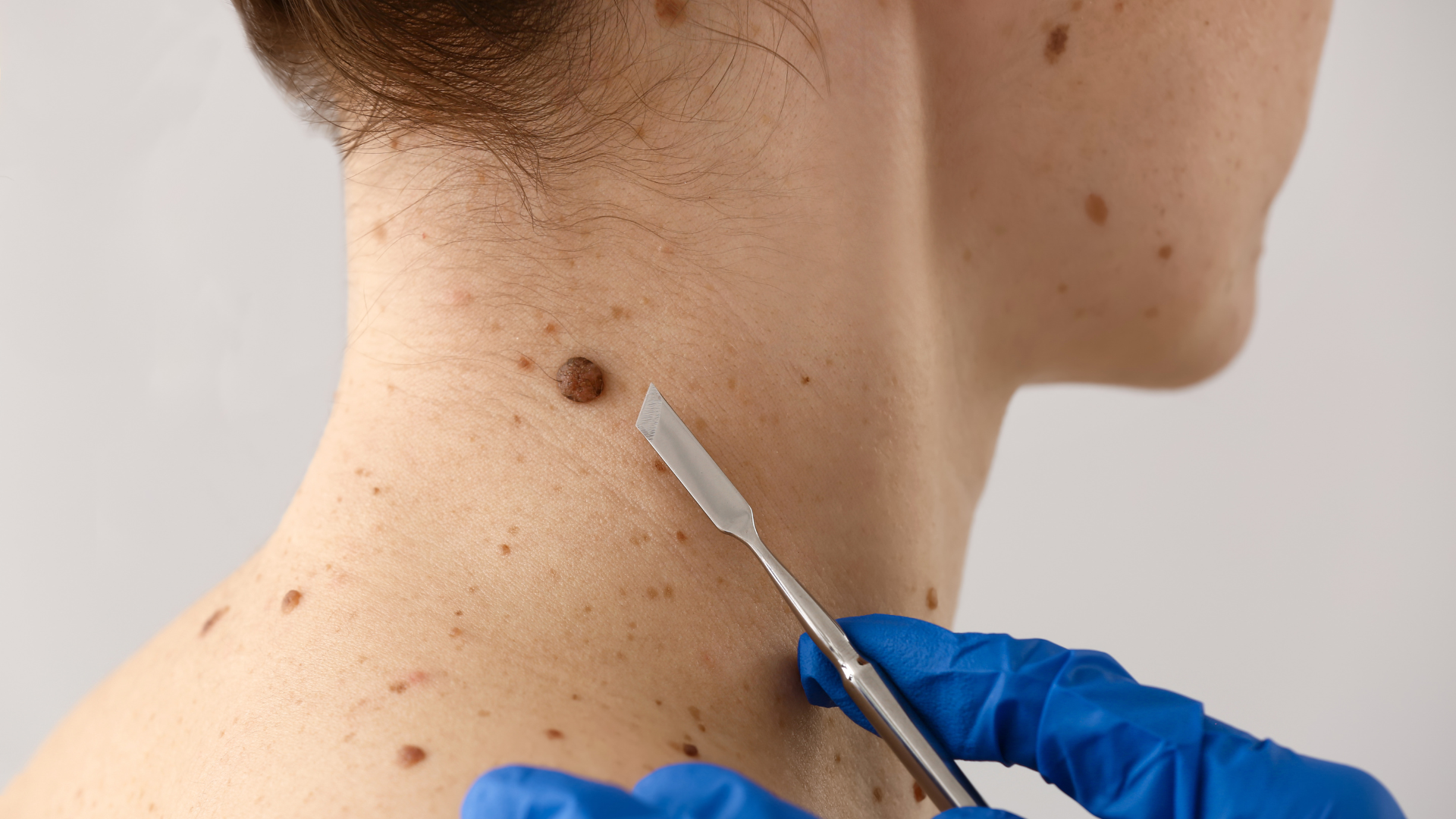
Mole Removal Myths, Sorted
Moles are one of those things almost everyone has an opinion about, usually picked up secondhand from an aunt, a forum, or a very confident TikTok. Some of it is fair enough. A surprising amount of it is not, and one or two of the myths can sometimes stop people from getting something looked at when they should.
So here are the ones we hear most often in clinic, and what is actually true.
“Removing a mole can cause cancer, or make it spread”
Removing a harmless mole does not turn it into anything. And in the uncommon situation where a mole does turn out to be a melanoma, surgically removing it does not cause it to spread—excision is the standard first-line treatment, not something to be avoided. The idea probably comes from cases where a mole was already a problem before it was touched, and the timing got blamed for the outcome.
The real risk here is the opposite of what the myth suggests: someone notices a mole changing, remembers hearing that removal makes things worse, and waits. Skin cancer outcomes are strongly tied to how early something is found, so get your mole checked out sooner rather than later.
“Mole removal doesn’t leave scars”
We would love this to be true. It is not, and anyone promising it is overselling.
What removal actually offers is a trade: a raised or pigmented lesion swapped for a flatter, paler mark that most people stop noticing. Depending on the method, that is either a small round mark or a fine line, and it typically fades from pink to pale over three to twelve months.
The biggest factor in how that mark ends up looking is not the technique. It is whether you protect it from the sun and resist picking at the scab while it heals.
“Any mole can just be lasered off”
Sometimes, yes. Often, no—and it comes down to two things.
The first is depth. Some moles sit near the surface and some sit deeper in the skin, and a treatment only works if it reaches the cells. Treating a deep mole superficially is how you end up with pigment coming back a few months later.
The second is less obvious. Energy-based methods work by destroying tissue, which means there is nothing left afterwards to send to a laboratory. For the vast majority of moles, which are entirely benign, that is a non-issue. But if a mole has any features worth a closer look, it needs to come out in a way that keeps it intact for examination. That is why a good consultation establishes what a mole is before discussing how you would like it gone.
“It will grow back anyway, so there is no point”
Moles come back for one reason: cells were left behind. It is not inevitable, and it is not bad luck.
Recurrence is mostly a mismatch between the depth of the mole and the depth of the treatment. Removed completely, with the method matched to what is actually there, a mole is very unlikely to return. If you have had one come back before, that is useful information to bring to your next consultation rather than a reason to give up on it.
“A cream from the internet does the same job for a tenth of the price”
Most over-the-counter mole and skin tag removers work by chemical burn. They destroy whatever they touch, which is the problem—because the chemistry has no way of knowing where the mole ends and your healthy skin begins, the cream has no way of stopping at the right depth. How deep it goes depends on the concentration, how long it sits there and how thick your skin is at that spot, none of which you control at home.
The usual outcomes are a mark noticeably bigger than the mole was, pigment returning because only the surface was removed, or both. And because the lesion has been destroyed, nobody can tell you what it was. If a mole is worth removing, it is worth removing properly.
“If it is not bothering you, leave it alone”
This one is actually half right, which is why it makes the list.
A mole that is stable, benign and not in your way does not need to come off. Plenty of people come in expecting to be talked into a procedure and leave with a recommendation to simply keep an eye on it, which is a perfectly good outcome.
However, a mole does not have to be uncomfortable or ugly to be worth checking. If it is new in adulthood, changing in size, shape or colour, uneven in colour, bleeding, itching, refusing to heal, or simply looks unlike all your other moles, that is worth an assessment regardless of how you feel about it.
Most moles are harmless and always will be. Removal is usually a quick, straightforward procedure. The two things that make the difference are having it looked at properly first, and matching the method to the mole rather than to whatever sounds fastest.
If you have a mole you have been wondering about — or one you have been avoiding thinking about — come and have it assessed. It is a short appointment, and you will leave knowing exactly where you stand.