


 0
0


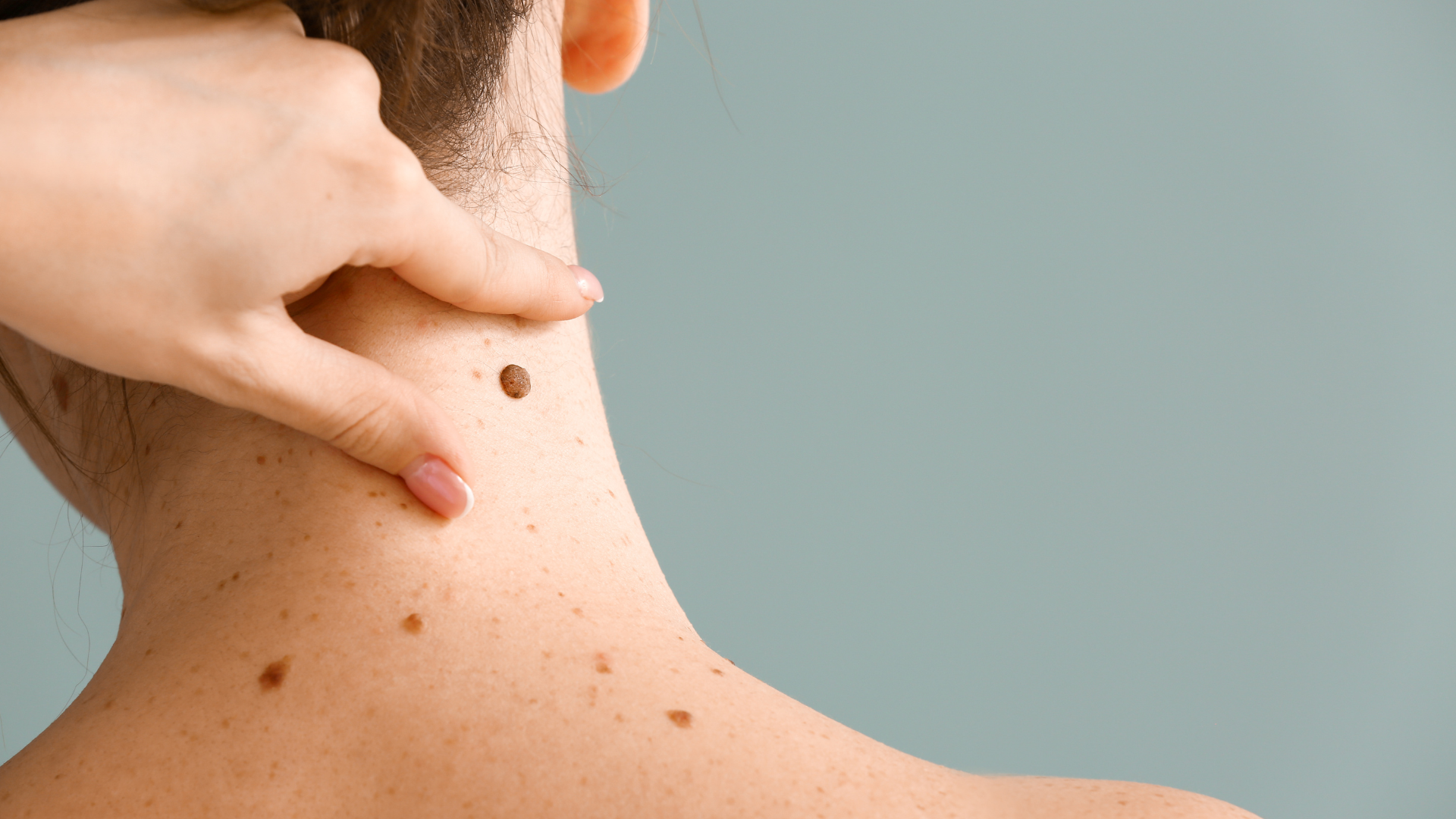
So You Want a Mole Gone: What Actually Happens, Start to Finish
For something people put off for years, mole removal is a remarkably small event. Most of it takes less time than getting a haircut, and the majority of people walk back out and carry on with their day.
The waiting usually comes from not knowing what the process involves. So here is the whole thing, in order.
First: the consultation
Before anything else, your doctor works out what the mole actually is.
That means looking at it properly, often with a dermatoscope — a handheld device that magnifies and lights up the internal structure of a lesion, revealing quite a lot that the naked eye misses. Expect a few questions: how long it has been there, whether it has changed, whether it catches on clothing or a razor, and whether you scar easily.
This part matters because it determines everything after it. A mole that looks entirely benign opens up the full range of removal options. A mole with features worth a closer look needs to come out in a way that keeps the tissue intact for laboratory examination, or be assessed and referred appropriately.
Next: choosing how it comes off
Broadly, there are two families of method. Some remove the mole using energy, working through the tissue in controlled layers. Others remove it with a blade—either shaving a raised mole flush with the surrounding skin, or removing it fully and closing the site with a few stitches.
Which one suits you is not really a preference question. It depends on:
• How deep the mole sits, and whether it is flat or raised
• How big it is
• Where it is — eyelids, the nose and the lip border have their own considerations, and so do areas like the chest and shoulders where skin is under more tension
• Whether it has hair growing through it, which usually means deeper structures are involved
• Your skin’s tendency to pigment after inflammation
• Any history of keloid or thickened scarring, even years ago — do mention it
Your doctor will explain which method fits your mole and what mark to expect from it. This is a good moment to ask, because the answer varies quite a bit between methods.
The procedure itself
Usually ten to thirty minutes, numbing included.
The area is numbed first—often anaesthetic cream, sometimes a small injection, sometimes both. The procedure itself is generally described as pressure or a bit of odd tugging rather than pain.
Then, the site gets a dressing and you get aftercare instructions.
The first two weeks
The site is usually mildly tender for a day or two. If stitches were used, they typically come out somewhere between five and fourteen days depending on the location.
The surface generally closes over one to two weeks. What you do during this window does more for the final result than anything else:
• Keep it clean and covered as directed, and keep it moist rather than letting a hard scab form and crack
• Do not pick at it. This is the number one cause of a mark that ends up more noticeable than it needed to be
• Skip pools, saunas, hot yoga and anything that makes you sweat heavily until it has fully closed
• Pause acids, retinoids and exfoliants on that area
• Hold off on makeup over the site until the surface has healed — usually one to two weeks
The months after
Once the surface has healed, you are left with a pink mark. Over roughly three to twelve months it gradually flattens and pales, and eventually most people stop noticing it. In skin that pigments easily, that pink phase can pass through a brown phase first — post-inflammatory hyperpigmentation, which usually settles with time and diligent sun protection.
When to get in touch
Complications are uncommon, but contact your doctor rather than waiting it out if you notice pain increasing after the first couple of days, redness spreading outward, warmth, discharge, or a fever.
A short consultation, a quick procedure, a fortnight of not picking at it, and a few months of sunscreen. If you have a mole you have been meaning to deal with, start with an assessment rather than a specific treatment in mind. Once you know what it is, the rest of the decisions get much easier—and you may find the answer is simpler than you expected.